
Big Annual Online, On Demand Teaching Studio Sale
Coupon Code
FALLBACK50%
Sale Starts
October 20th-December 20th
2026
Hi, I’m Laura Lein-Svencner
I grew up in Downers Grove IL close to my grandfather’s farm, which was the last operating farm in Downers Grove, I now reside in Darien, Illinois. Married with four grown children, three grandchildren and a home full of loving creatures.
Although I've studied drawing, printmaking, sculpture, book arts and the art of hand papermaking. It is the love of paper and design that calls my attention. I am another generation in the long chain of “Creative Makers,” working with their hearts and hands.
I am grateful for the good medicine offered by walks in the woods, and daily walks with my Bloodhound/Lab-Gracie. The joy of wandering with my husband in interesting old towns or National Parks to the connection with the earth in my own little plot of land.
As I look back, I see that I've always been a very spiritual person and more so as I get older. I love hanging out with my women folk over a good drumming circle or a book club. And family is the heart and soul of our home.


The alchemy of Collage Paper Making is a powerful process that changes and transforms in a mysterious and impressive ways.
Things happen without my doing and most of the time I'm in awe of how it all presents itself on the surface of the paper. Then when you cut or tear the papers, layer in ways of abstraction and creative composition,
"I don't question I believe in it's Paper Alchemy."
~Laura Lein-Svencner~
List of Videos
All about Line, Inspiration and Composition
- Line in Collage, watch the video about bringing the line into our work below.
- Looking at Collage Art of other artists work allows us the opportunity to see what we like and how others are creating. Not that we would copy, only be inspired to try ourselves.
- Understanding Composition in art and collage offers many approaches to how we create with in a good composition. Take a look at these artists Compositional Works
History of Collage
Brief History of Collage
1912-2012 -100 years as a fine art
Information gathered from Creative Collage Techniques, Nita Leland and Virginia Lee and The Art and Craft of Collage, Simon Larbalestier
It is said that paper was invented over 2040 years ago, and collage was over 1020 years ago, but the earliest examples of paper collage are the works of the twelfth-century Japanese calligraphers. But quite possibly earlier than those human beings were cutting, tearing and gluing.
The Japanese would use their poems and calligraphy as a base, and then by using their personal drawing and other cut words they would glue them to surface.
In the medieval times, thirteenth century, religious imagery was darned with gemstones, elegant fibers, relics and precious metals. Shrines were erected to honor religious icons.
In the fifteenth and sixteenth centuries in the Near East, Craftsmen cut and pasted intricate designs and used marbled papers as part of the art of bookbinding. Book and collage artist today still practice the art of hand papermaking, marbling, collage and assemblage.
Renaissance artisans of the fifteen and sixteenth Centuries in western European countries pasted paper and fabric to decorate the backgrounds of coats of arms in genealogical records.
During the seventeenth and eighteenth centuries, Victorian Woman found that a book marker was needed to keep a place marked in their prayer books during church services, so while sitting around having tea the women gather things, color papers, material and coffee beans etc and made book marks. It turned out to be quite a grand time so much so the woman found that they were making cards and at a special time of year, Valentine’ Day for St. Valentine.
Also during the seventeenth century the cut-paper silhouettes appeared in the Netherlands.
Artisans and craftsman in prehistoric and primitive societies in many parts of the world used seeds, turtle shells, straw, feathers and butterfly wings as collage material. So repurposing found materials has a history too. Shamans and holy men in some societies secured these and other materials to their regalia and masks which are used in sacred rituals still today.
In the nineteenth century collage developed into more of hobby then an art form. People pasted photographs, glued postage stamps in albums and covered screens and lampshades with magazine illustrations and art reproductions. In antique shops today you can find nineteenth-century scrapbooks and photo albums, silhouettes and lampshades made of assorted materials: paper fabric, human or animal hair, and a variety of memorabilia.
Artists during this time were Hans Christian Anderson, created illustrations for books this way.
Carl Spitzweg made collages for collection of recipes with cutouts from woodcuts which he colored by hand and pasted on to marble papers.
In the last decade of the nineteenth century, graphic artists arranged type and cut-outs from theater poster, and other illustrations.
The introduction of photography let to photomontage, and the combination of photos and poster themselves became collage material.
Collage as a Modern Art
The twentieth century early 1900’s Katherine Hoffman stated that “Collage may be seen as a quintessential twentieth-century art form with multiple layers and signposts point to the possibility or suggestion of countless new realities.”
Art historians generally attribute the first use of collage in fine art to Pablo Picasso in 1912, when he glued a piece of patterned oil cloth to a cubist still life. Next, George Braque incorporated wallpaper into his artwork. The two artists experimented with papiers Colles as an extension of cubist principles. The art of pasting papers to a support was called papiers Coller, the French term for pasted papers. A Spanish artist Juan Gris promptly joined in around this time also.
Instead of creating an illusion of reality, they invented a new kind of reality, using textured and printed papers and simulated wood patterns on their drawings and paintings. Imagine the storm of controversy that followed these experiments. The use of foreign materials in paintings inflamed critics, adding more fuel to the creative fires of experimental artists.
The Avant-Garde adopted this new approach and quickly branched out. Futurists incorporated typography for political commentary and added found objects to connect art with the real world. Around the start of World War I, several Italian futurists continued to work in and expand on the collage techniques introduced in France.
The German and Russian expressionists then contributed technical developments. Following a short lull in collage activity, the 1920’s art scene witnessed the arrival of German Dada artist Kurt Schwitter’s exciting array of personal expression executed in collage and assemblage. As a result, collage was no longer merely experimental art. Almost every major avant-garde artist of the 1920’s and 1930’s tried their hand at collage to a greater or lesser degree, primarily to further their graphic explorations.
Dadaists-(French, meaning hobby horse, which was picked by opening a dictionary at random and stabbing a knife into the page and the word Dada was given to this group of artist) Dadaism was to give collage a more powerful public voice in the form of posters, publications and leaflets. The artist gathered in coffee shops, café, and read poetry, listened to music. Dada had a profound effect on collage, expressing opposition to the accepted attitude of society. It was called the anti-art nonsense, bringing together outrageous combination of materials for shock value. During this time new science of minds, called psychology, led surrealists to see collage as revelations of unconscious thoughts brought to the surface through the random selection and placement of material.
Collage is used to explore ideas, advocate concepts and develop possible directions in which to work. But just as often it is the consummate means of personal visual expression and distinct vocabulary.
Copyright Statement
The purchase of this class is for individual use only
©2026 Laura Lein-Svencner. All rights reserved
The purchase of any class from Lonecrow Studio is set up for individual use. All course materials, pdfs, texts, photos, video are the content of the creator. All rights reserved; authorization is given to students enrolled in the class to reproduce this material exclusively for their own personal use.
List of Classes
Different Categories
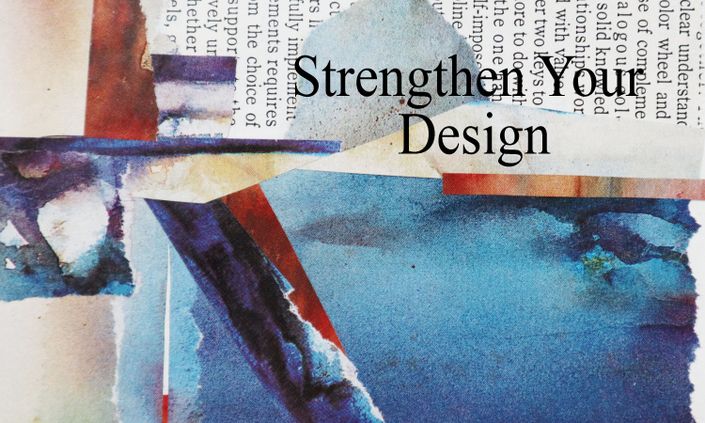
These selected classes are offered to help you learn about the elements
and principles of design and composition. Take them separately or sign up for the Bundle.
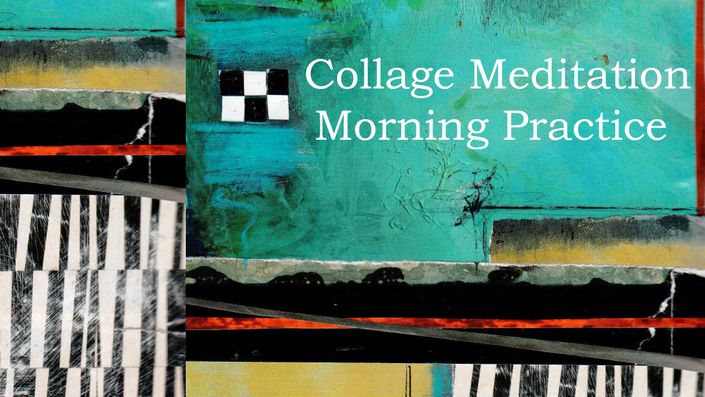
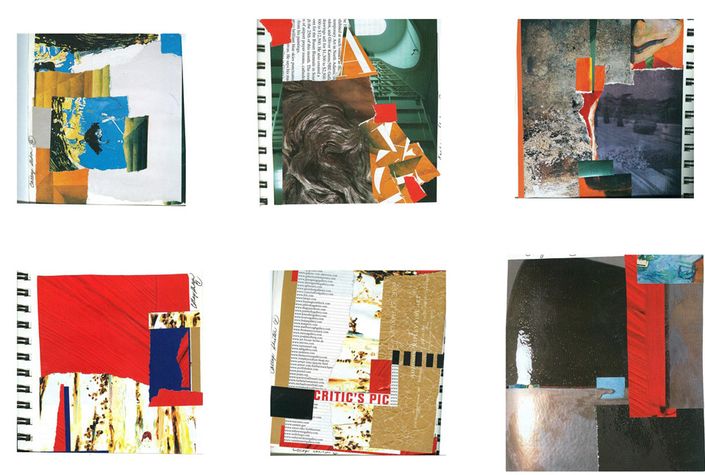
In Collage Meditation class it's here to help you fill a sketchbook and learn about
a practice of daily entries that calm your creative soul and educate with new understanding.

This selection of classes are offered for the
process of Collage and Mixed Media
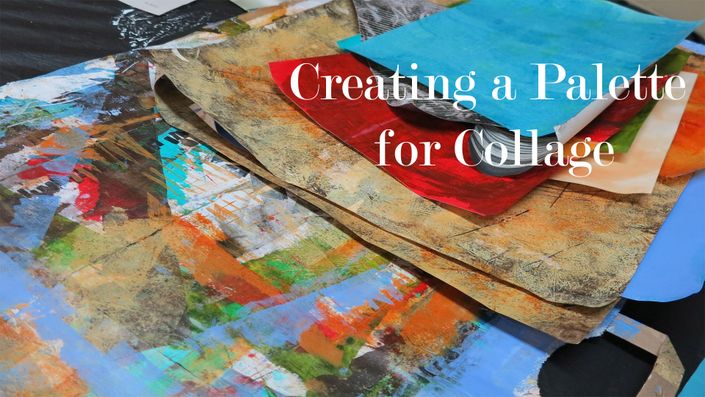
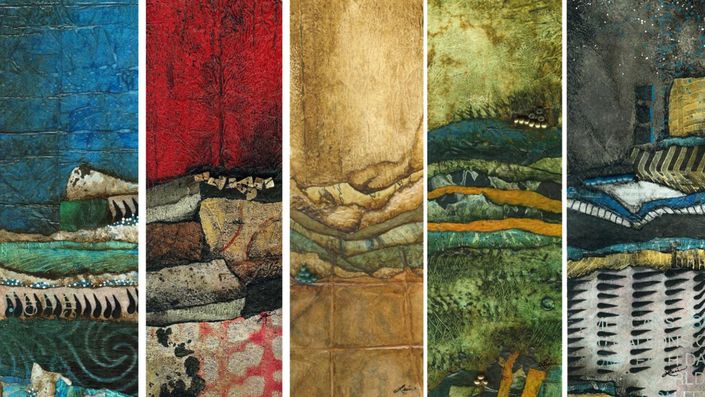
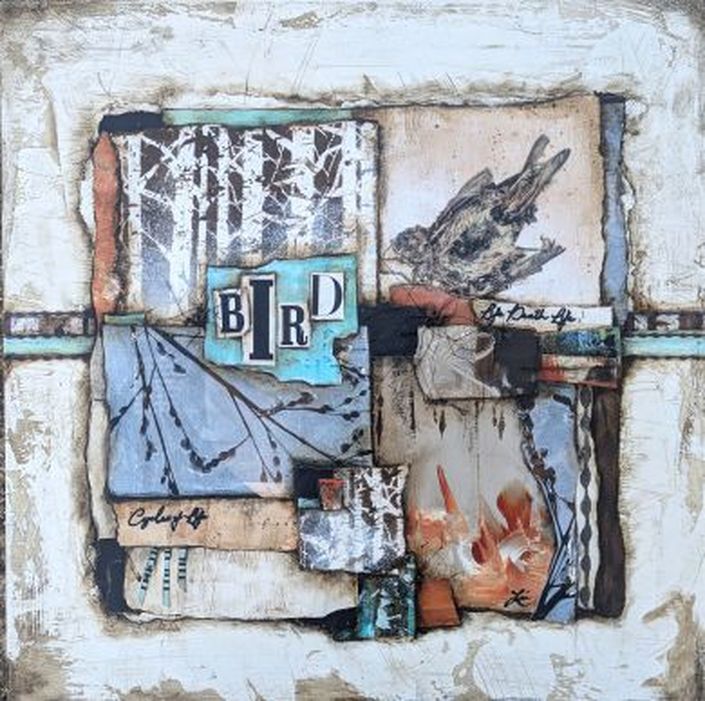
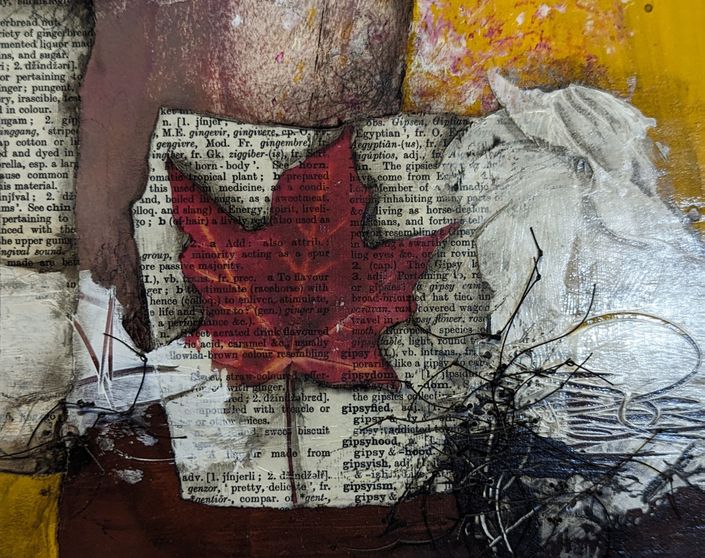
Collage Palette Making with the process of layering a variety of art materials with intuitive techniques.
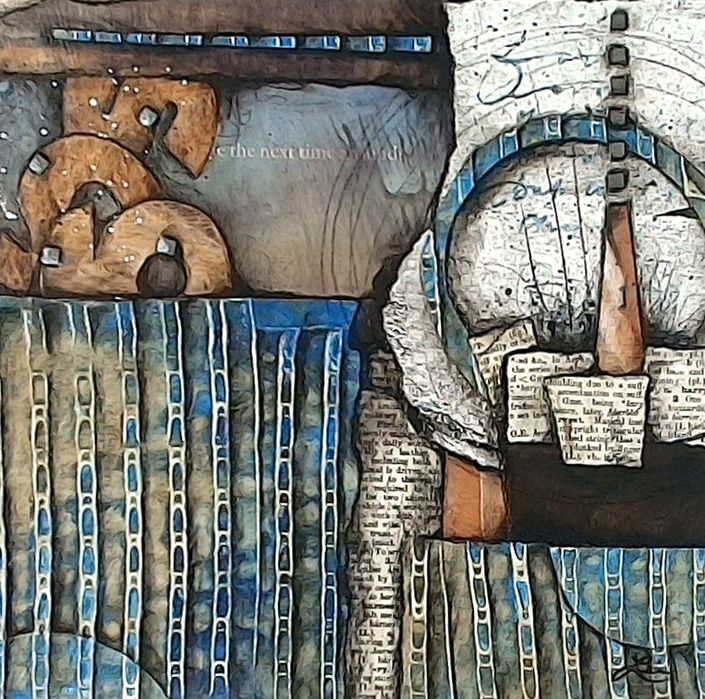
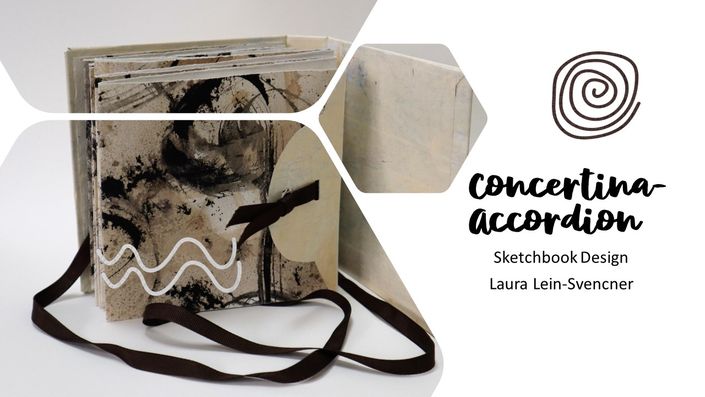
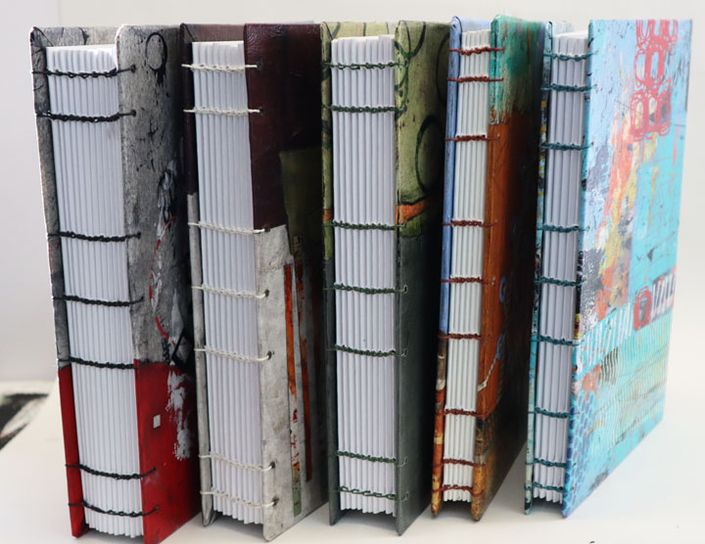
Collage Assemblage and Book Binding
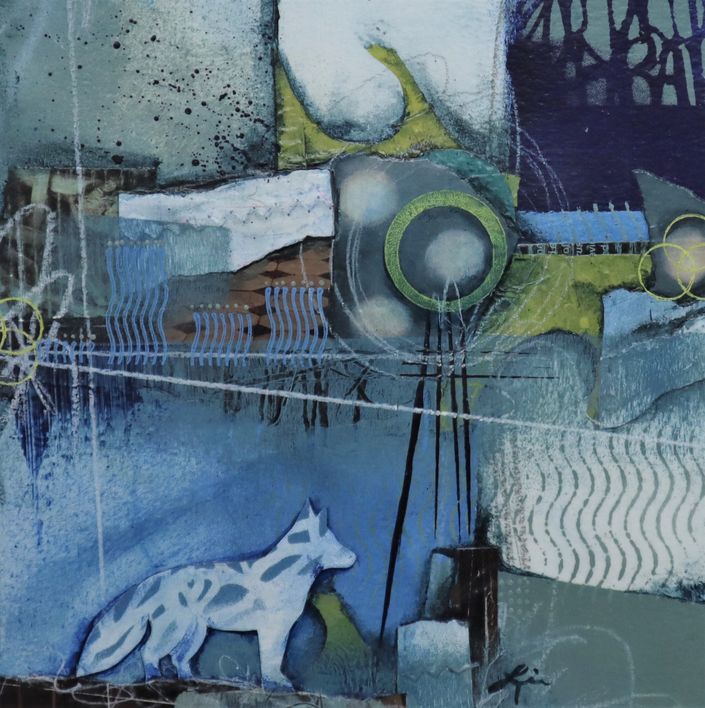
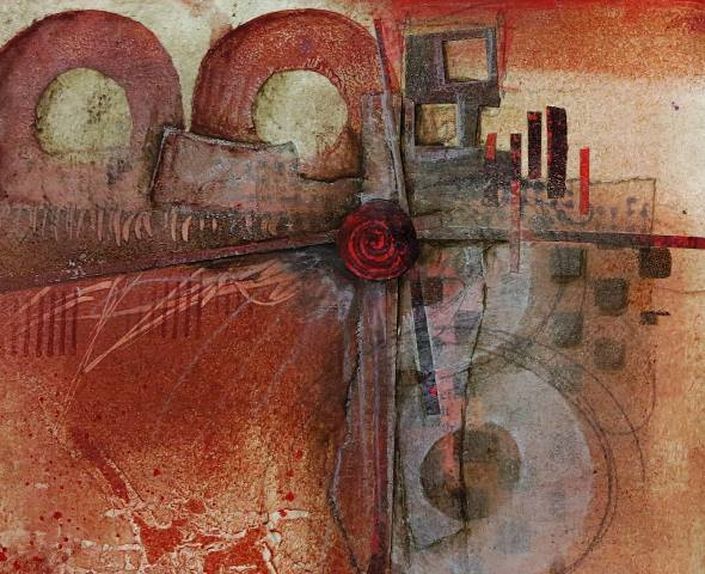
Combine the different art techniques with collage, assemblage and book binding
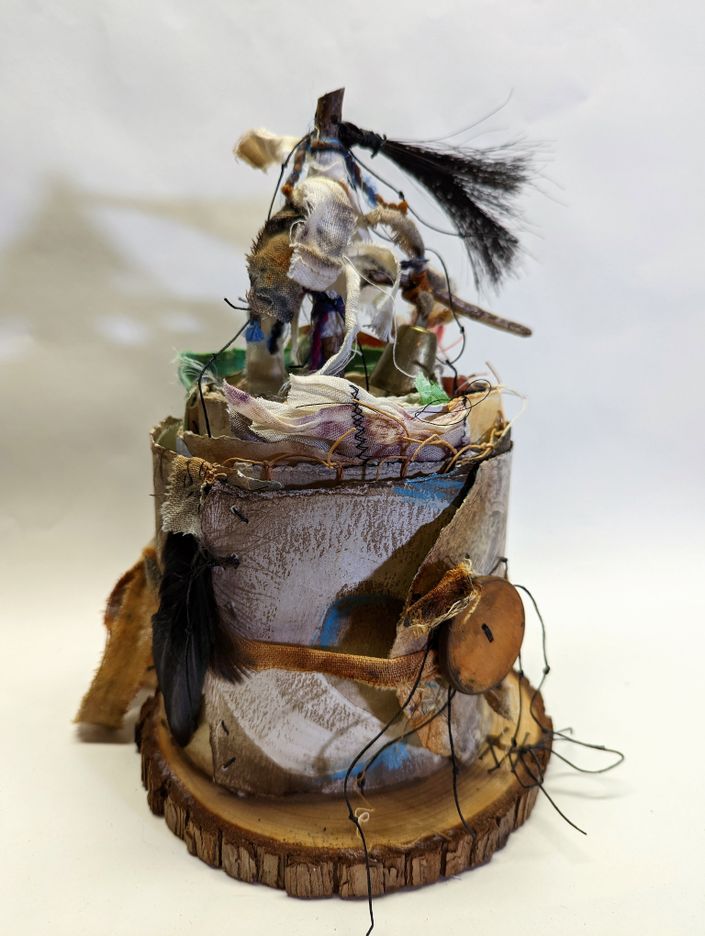
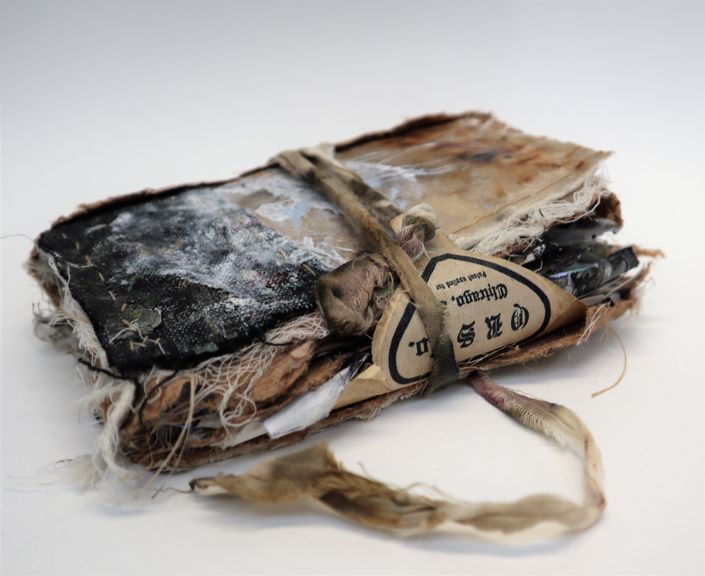
Spiritual and Creative
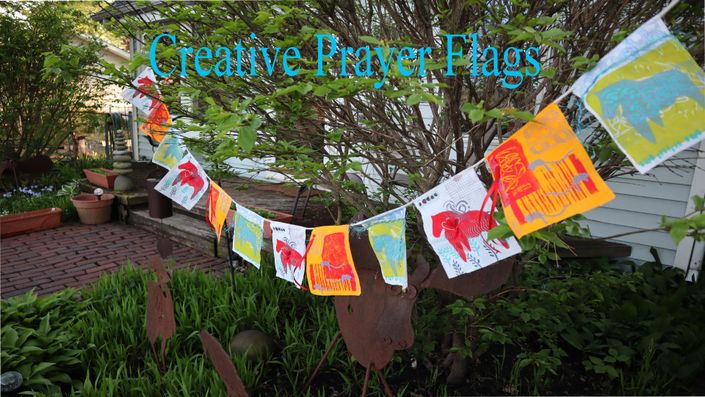
Classes that work with your creativity and spirituality bring them together for wonderful self-expressive moments.
Free and Quick Classes Available
Check out these fun classes to do with children on up to adults, Everyone has fun!
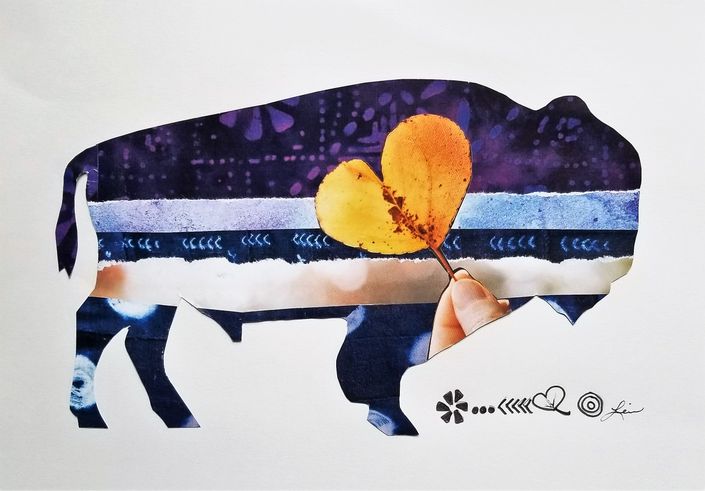
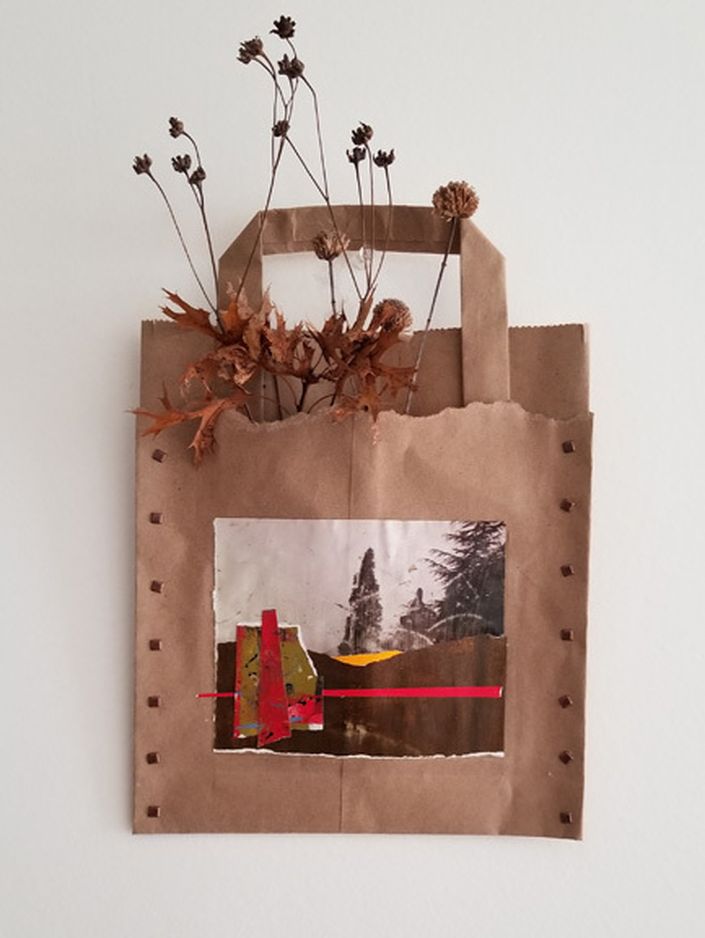
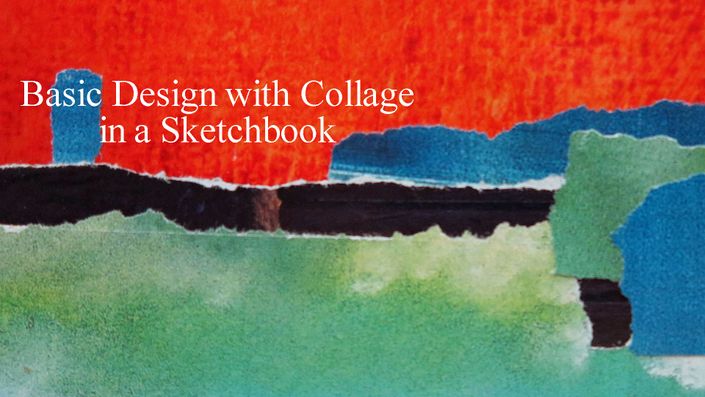
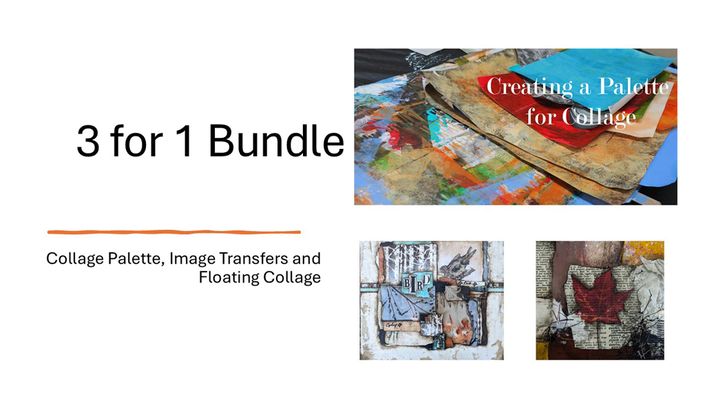
Learn the Basics of Design through collage or
create your own papers add images and Float your collages.
These are great bundles for beginners or advanced Creatives
Course Testimonials
Excellent course, I really enjoyed it and got a lot from it. You are an awesome, inspirational instructor, thank you. I look forward to the other courses that I have purchased.
Rebecca L.
Fun Well Done!
Lil A.
Don't pass up these
Frequently Asked Questions
How do you get Help with Login In? If you're having trouble getting into Lonecrow Studio, after you have already signed up and paid, please know your information is not stored with the instructor. Try clearing you cookies, try again then please check the Help Link here. Save your login information.
When does the course begin and end?
The course begins as soon as your transaction is complete. After you sign up you have access to all the course information and can work at your own pace.
How long do I have access to this course?
You have access to these courses as long as the instructor is able to keep the teaching and school site open. Unless otherwise notified on the individual courses offered. It's good to keep your emails open for the instructor to contact you if anything comes up. "Don't let your course expire on the shelf"
What level of ability are these courses?
This course are for anyone willing to learn more about design, composition, collage and mixed media. Be it for a beginner or more advance it works well for all.
Videos-Do I need high speed internet for this course?
It is suggested to view videos with high-speed internet. They are not downloadable at this time. They belong to the artist/instructor for you use only.
Is it that important to have all the supplies on the list?
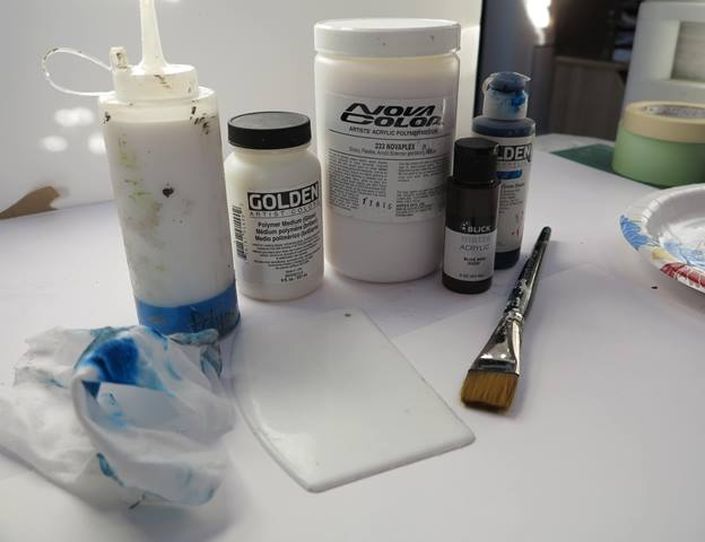
Work with what you have though there are some techniques in advance courses that work best with set materials. Work with what you have around you first before going out and spend big dollars on supplies. I do prefer Golden's Gloss Medium over other brands. I also use Nova Acrylic Mediums Take a look at the free class about supplies
Is there an online community connected with this course?
Currently there is a Facebook Community. It's set up as Private community.
In this Teachable site there is also a community, Lonecrow Studio Connections Community, It's new and just staring out. You have the ability to communicate with comments within the online class.
What is the Refund Policy?
Once you are enrolled in the course, I am unable to offer a refund. You are able to receive the pdf's and watch the videos. I encourage you to contact me if you have any questions prior to signing up.
lonecrow4@gmail.com
A Heads Up about the Classes
In the Collage Classes that are taught here in Lonecrow Studio have mainly two approaches.
First approach you will see classes work with design in a sketchbook that uses only glue sticks, scissors and magazine. I find having some limits helps you focus on the task at hand.
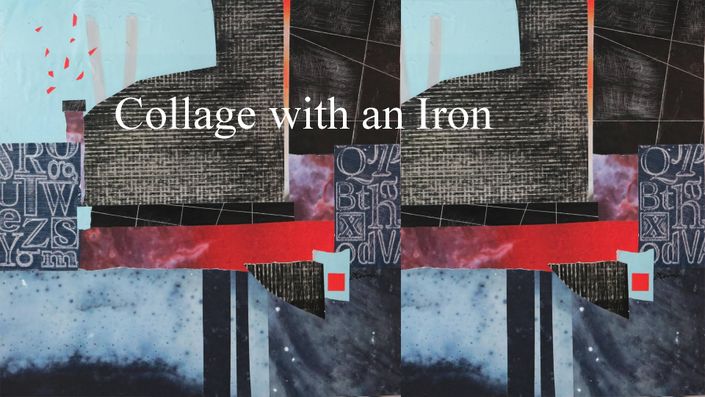
Second approach You will see classes with the process of using a Heat Seal Iron and the coating of all collage papers, that I like to call "Tacking Down."
Please be aware in the process of creating I encourage playfulness and allow you all to jump around at whim. The other side of learning a process it's best to do by slowing down and taking it step by step with instruction.
List of some irons that can be used:
House Iron General house Iron works, Cotton setting, no steam though.
Heat Seal Iron, "Tack Iron" These irons have become difficult to find, as the manufacture has stopped making them.
Oliso- Arts and Craft Iron, I just found this iron and it works great but of course no steam. I like this iron because it regulates the heat and set temperature.
Always use a safety release sheet between the iron and coated papers like parchment paper.